

 As the modern workforce evolves, employer-sponsored benefits must adapt to meet changing demographic demands. Women comprise nearly half of the U.S. workforce and are its primary consumers of healthcare services. Today, standard health coverage is shifting away from a pregnancy-only lens to an inclusive, whole-life framework.
The Evolution to Whole-Life Care
Historically, corporate maternal care focused strictly on a brief window: prenatal visits, delivery, and basic postpartum recovery. Today, organizations recognize that pregnancy is just one phase of a lifelong health journey. A comprehensive benefits framework accounts for every stage of a career:
- Preconception and fertility planning.
- Pregnancy, high-risk maternity care, and comprehensive postpartum support.
- Menstrual health and chronic reproductive conditions (e.g., endometriosis).
- Midlife career transitions, including perimenopause and menopause.
- Chronic conditions that disproportionately impact women, such as autoimmune disorders and bone health issues.
4 Key Trends Transforming Corporate Benefits
- Universal Fertility and Family-Building Support
With one in eight couples facing challenges conceiving or sustaining a pregnancy, family-building benefits have shifted from a perk to a baseline recruitment tool. Two-thirds of employers plan to invest heavily in family health benefits over the next three years—a 44% increase compared to 2024. These initiatives provide crucial financial assistance for complex, high-cost treatments like in vitro fertilization (IVF), egg freezing, and surrogacy.
- Specialized Maternal Health Interventions
Millennials now make up the largest segment of the workforce (36%), placing them at peak childbearing age. Because maternity costs have escalated by 50% over the last decade and 57% of benefits leaders report a rise in high-risk pregnancies, timely intervention is critical.
Providing digital care navigation reduces high-risk maternal journeys by 61%, significantly lowering claims costs. Holistic organizations are also expanding care beyond delivery to include doula services, postpartum mental health screenings, and lactation support to ease the return-to-work transition.
- Critical Support for Menopause and Midlife Care
Menopausal women represent nearly 30% of the domestic workforce, yet fewer than 15% of organizations offer menopause-specific benefits. Symptoms like cognitive fatigue, sleep disruptions, and hot flashes cost employers an estimated $1.8 billion annually in lost work time.
Generation X workers are actively advocating for medical support, including hormone replacement therapy (HRT), especially as primary care training in menopause remains low.
- Changes to the Legal Landscape
The regulatory environment surrounding reproductive health is changing rapidly. Federal directives have introduced drug pricing reforms for fertility medications and established new pathways for employers to offer standalone fertility benefits as “excepted benefits” outside traditional group health plans. Concurrently, over 20 states now mandate private insurance coverage for fertility treatments.
On the postpartum front, the federal PUMP Act has expanded lactation rights to nine million more workers by requiring private, non-bathroom spaces for expressing milk. Additionally, a wave of updated state leave laws is expanding access to family and sick leave across all life stages.
Actionable Strategic Playbook for Employers
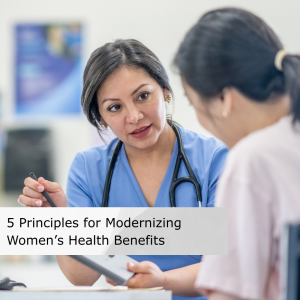
To support women in the workforce and optimize healthcare spending, employers can consider the following five strategies:
- Design Around Life Stages: Use integrated digital health platforms to provide a continuum of care from preconception to menopause, reducing fragmented solutions and administrative burdens.
- Prioritize Preventive Care: Encourage early diagnostic intervention for high-risk pregnancies, fertility challenges, and midlife transitions to avoid complex, high-cost claims later.
- Embed Mental Health Across All Coverage: Ensure dedicated clinical support is available for underdiagnosed struggles, including fertility-related grief, postpartum depression, and general anxiety.
- Proactively Drive Utilization: Frequently and clearly communicate benefit options so employees know how to utilize resources before a health crisis occurs.
- Measure Outcomes: Look beyond basic enrollment numbers. Evaluate return-to-work rates, employee satisfaction, and claims reductions over time. Utilizing analytics can help HR teams identify specific usage gaps and target early interventions.
Making benefits easy for employees to access and understand is just as important as offering the right benefits package. By simplifying benefit information and communicating it regularly, employers can improve employee satisfaction and help ensure employees receive the healthcare support they need.